A short history

From John C. Lilly to modern float pods.

Floatation therapy is older than most guests realise. What began in a Maryland neuroscience lab in 1954 as an experiment into isolated consciousness has become a mainstream tool for stress, sleep and recovery — with seventy years of clinical curiosity behind it. Here's how we got from Dr Lilly's original upright tank to the spacious Orbit/Exo pod you'll float in here in York.

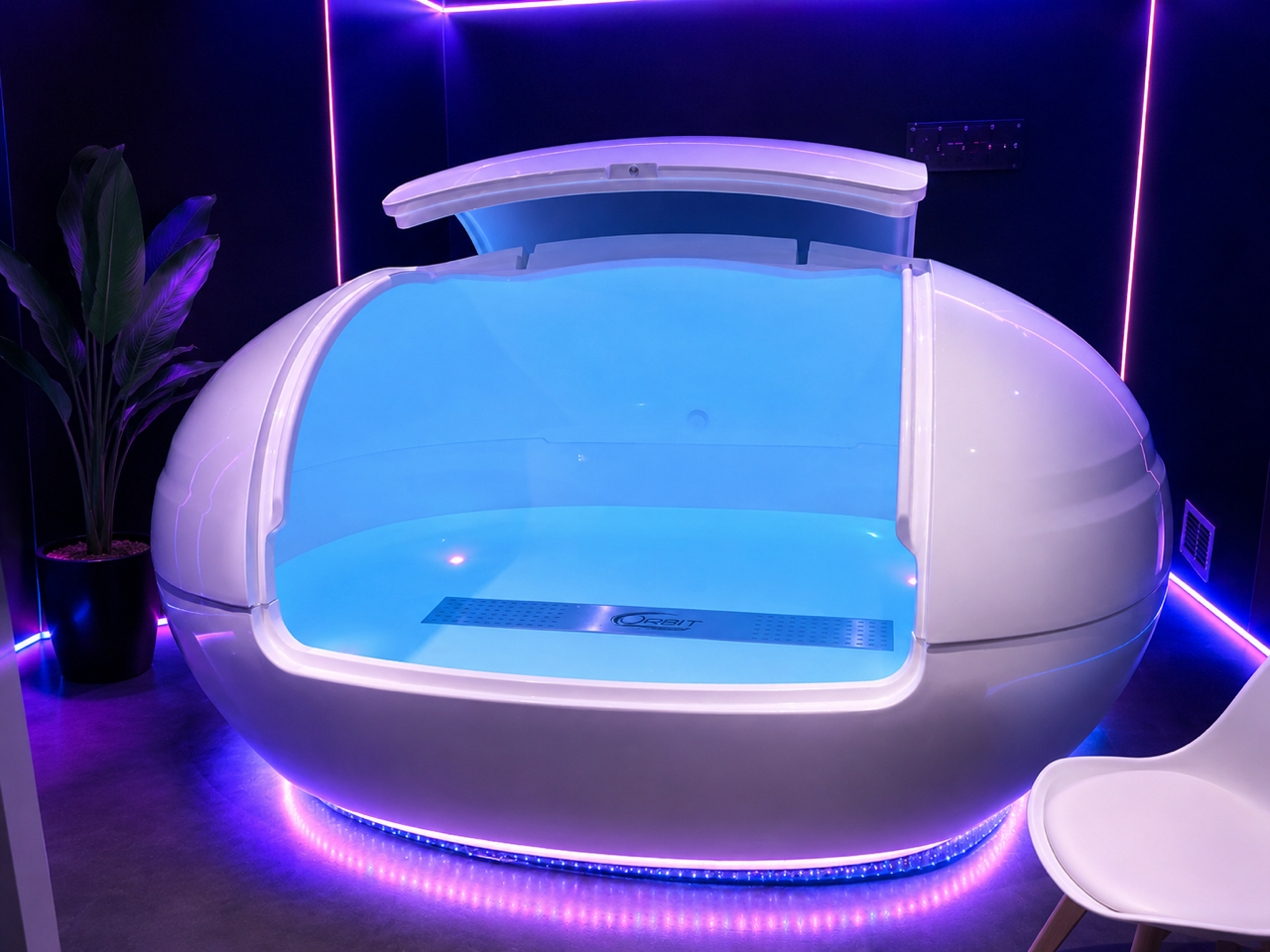
A modern Orbit-style float pod glowing softly — the current generation of sensory-reduction tanks

Timeline

Seventy years of sensory reduction.

1954

Dr John C. Lilly builds the first isolation tank

At the US National Institute of Mental Health, neuroscientist John C. Lilly designed the first sensory-isolation tank to study what the brain does with no external input. Early subjects floated upright in full-body suits inside a lightless, silent chamber — pure research into consciousness, not relaxation.
1960s–70s

Epsom salt changes everything

Lilly's later collaborators, Glenn and Lee Perry, introduced dense Epsom-salt water heated to skin temperature. Suddenly floating was effortless: no suit, no upright posture, no cold. The Samadhi tank — the first commercial float tank — launched in 1972 and turned Lilly's research device into something a wellness studio could actually run.

1980s

First wave of public float centres

Float centres opened across the US and UK through the early 1980s, marketed for stress, athletic recovery and meditation. Peter Suedfeld's REST (Restricted Environmental Stimulation Therapy) research at UBC began building the clinical evidence base that still underpins the practice today.

2000s

Clinical revival and neuroscience

Researchers at the Laureate Institute for Brain Research (notably Dr Justin Feinstein) began running controlled trials on floating for anxiety, PTSD and depression. fMRI work showed measurable drops in amygdala activity and quieting of the default-mode network — the neuroscience finally caught up with what floaters had described for decades.

Today

Spacious pods, gentler experience

Modern cabins like the Orbit and Exo pods used at Yorkshire Floatation Centre are a world away from Lilly's original box. Full-height, user-controlled lighting, lid open or closed on your terms — designed so anxious first-timers can experience sensory reduction without any of the claustrophobia the early tanks were (fairly) accused of.

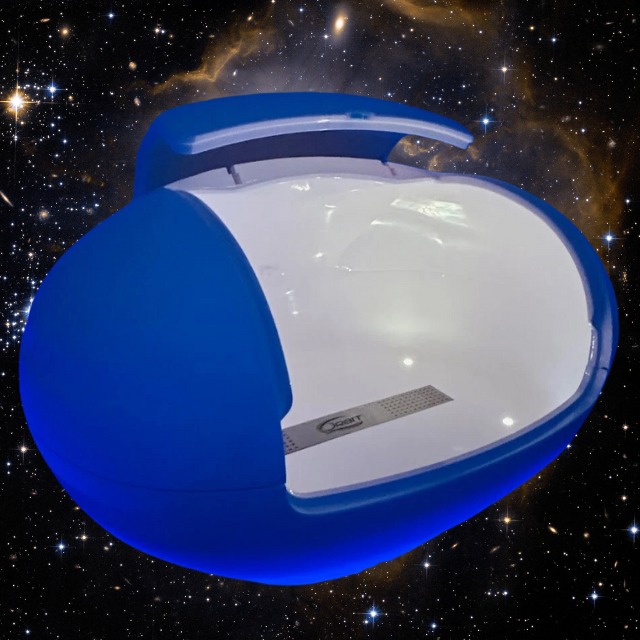
Interior of the Orbit/Exo float pod at Yorkshire Floatation Centre

Try it yourself

Seven decades of research, one hour of quiet.

The pods we use today are the direct descendants of Dr Lilly's original tank — same idea, vastly gentler execution. If you're curious about the science that started this, the best way to understand it is still to try it.