The Guide

Floating while pregnant.

For most healthy pregnancies, an hour in a floatation tank is one of the few environments that fully unloads the spine, hips and pelvis while calming an over-stimulated nervous system. This guide covers what's safe, what changes trimester by trimester, and what expectant parents actually notice from floating.

Yorkshire Floatation Centre welcomes expectant guests from the second trimester onwards, provided you're low-risk and have checked with your midwife or GP first.

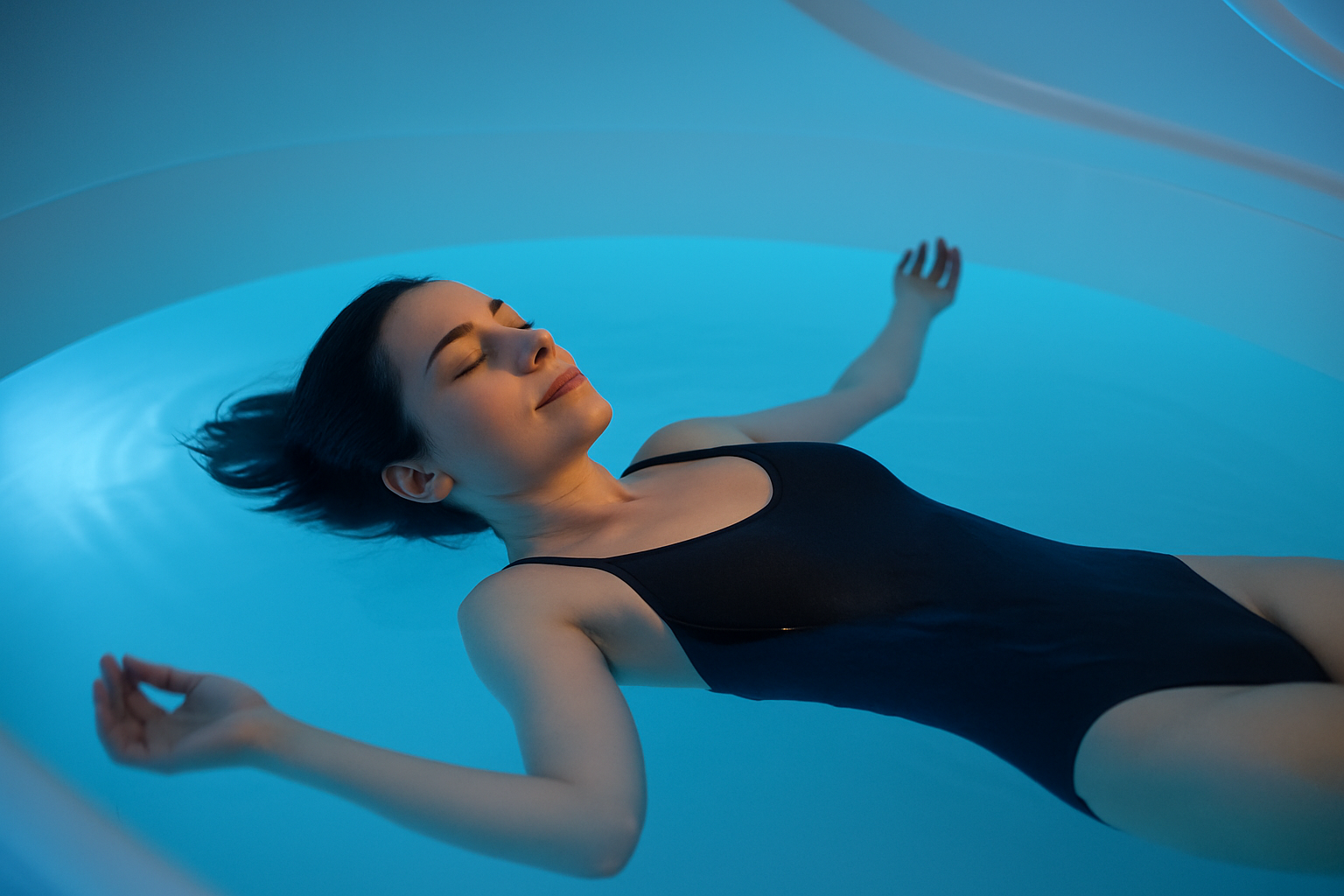
Pregnant guest floating weightlessly in warm Epsom-salt water — full spine decompression

Safety by trimester

When it's right — and when to wait.

First trimester (weeks 1–13)

We ask expectant guests to wait until the second trimester. Miscarriage risk is naturally highest in these weeks and we prefer not to introduce anything new — this is a precaution rather than a known risk from floating itself. If you've already been floating regularly and want to discuss a session, call reception on 01904 501500.

Second trimester (weeks 14–27)

For most people this is the sweet spot. Morning sickness is easing, energy is returning and the bump is large enough for weightlessness to feel genuinely relieving. Sixty minutes on your back is comfortable throughout this window and back tension melts noticeably.

Third trimester (weeks 28–birth)

This is often when floating helps most. Pelvic girdle pain, sciatica and disrupted sleep respond well to an hour of full body offload. Some guests prefer to lie slightly tilted onto one side in the pod — the spaciousness of the Orbit/Exo makes this easy. We do ask that you stop floating once your waters have broken, or if your midwife has any specific concerns.

Please don't float if: you have a high-risk pregnancy, pre-eclampsia, gestational hypertension your clinician has flagged, an active infection, ruptured membranes, or any open wound. When in doubt, ask your midwife or GP first — we'd rather you wait a week than worry through your session.

What you'll feel

Six benefits expectant parents notice most.

True weightlessness for the spine

As pregnancy progresses the lumbar spine, sacrum and hips take on load they were never designed to carry. Floating lifts every gram of that pressure for a full hour — for many expectant guests it's the first proper decompression their back has had in months.

Relief for sciatica and pelvic girdle pain

Nerve compression and pelvic girdle pain (PGP) ease dramatically when the joints are unloaded and the muscles fully release. The effect often carries through for several days after a session.

Better, deeper sleep

Late-pregnancy sleep is famously fragmented. Floating triggers a strong parasympathetic response and tops up magnesium transdermally — the two most reliable levers for a longer, deeper night's sleep afterwards.

Reduced swelling and fluid retention

Being suspended in warm, salt-dense water encourages gentle lymphatic movement. Guests often notice ankles and hands feel less puffy for a day or two after a float.

Space to meet the baby

With gravity, light and sound removed, the only thing left is you and the baby. Many expectant parents describe their float sessions as the most connected time they had with their bump — a quiet, undistracted hour that's genuinely hard to find elsewhere.

A nervous-system reset

Pregnancy is a low-grade nervous-system marathon — hormones, hyper-vigilance, planning, appointments. Sensory reduction gives the parasympathetic branch a full hour off-duty, and the calm carries into the days that follow.

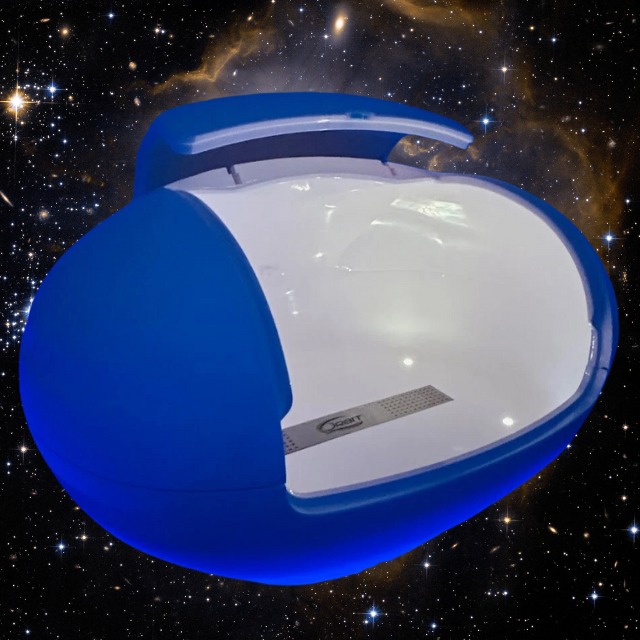
Interior of an Orbit/Exo float pod — spacious, temperature-controlled, expectant-parent friendly

Made for expectant parents

A private, gentle first float — even at 32 weeks.

The Orbit/Exo pod is a full-height cabin with the lid entirely under your control. Keep it open, close it, dim the light, leave the music on — nothing is locked and nothing is imposed. If you've never floated before, our first-time guide walks through everything step by step.

FAQ

Common questions about floating while pregnant.

Is float therapy safe during pregnancy?

Floating is widely considered safe from the second trimester onwards for healthy, low-risk pregnancies. The warm, dense Epsom-salt water fully supports the weight of your bump so there's no pressure on the spine, hips or ligaments. We recommend avoiding the first trimester, and we ask any expectant guest to speak to their midwife or GP before booking. If you have a high-risk pregnancy, pre-eclampsia, ruptured membranes, or any open wound, please don't float.

Can I float in the first trimester?

We ask guests to wait until the second trimester (from around week 14). The first trimester carries higher natural miscarriage risk and we prefer to avoid anything unusual during that window — this is a general precaution rather than any known risk from floating itself.

What position should I float in when pregnant?

Most pregnant guests float on their back exactly as usual — the salt density makes it effortless and the bump floats naturally with you. From the third trimester, some prefer to float slightly on one side with an arm draped over the bump. There is no correct position; the pod is spacious enough to move freely and find what feels right.

Will floating help back and joint pain?

This is the benefit most expectant parents notice first. In the pod, your body weighs effectively nothing — the spine decompresses, the pelvis unloads and the sciatic pressure that builds up in later pregnancy simply lifts. An hour of true weightlessness is something almost no pregnant body gets otherwise.

What about the Epsom salt — is that safe?

Epsom salt is magnesium sulphate, the same magnesium widely recommended in pregnancy for muscle relaxation and sleep. Transdermal absorption during a float is gentle and topical. You'll shower before and after; the salt won't reach the baby.

How long and how often should I float while pregnant?

A 60-minute session is ideal — long enough for the parasympathetic drop and the back to fully unload, without overdoing it. Many expectant guests float fortnightly through the second and third trimesters, with an extra session in the last few weeks when sleep is hardest to come by.

Will the water temperature affect the baby?

The water is held at skin temperature (around 35.5°C) — indistinguishable from your own body. It does not raise your core temperature the way a hot bath or hot tub can, which is the concern in pregnancy. You'll actually leave feeling cooler and calmer, not overheated.
A note on medical guidance: This page is general information, not medical advice. Please check with your midwife or GP before your first float in pregnancy, and follow their guidance over anything you read here.