The Guide

Floatation for anxiety and stress relief.

A sensory deprivation tank is one of the few environments in modern life where the nervous system can fully stand down. No gravity to fight, no temperature to regulate, no sounds to track, no light to process. Sixty minutes inside a float pod produces measurable drops in cortisol, a shift into theta brainwaves and a genuine parasympathetic reset — which is why it's become a clinically-studied tool for anxiety, chronic stress and burnout.

We prefer the term sensory reduction to sensory deprivation. Nothing is being taken away from you — the pod simply removes the constant, low-grade input your brain spends the rest of the day filtering. What you're left with is space, and quiet, and your own settling breath.

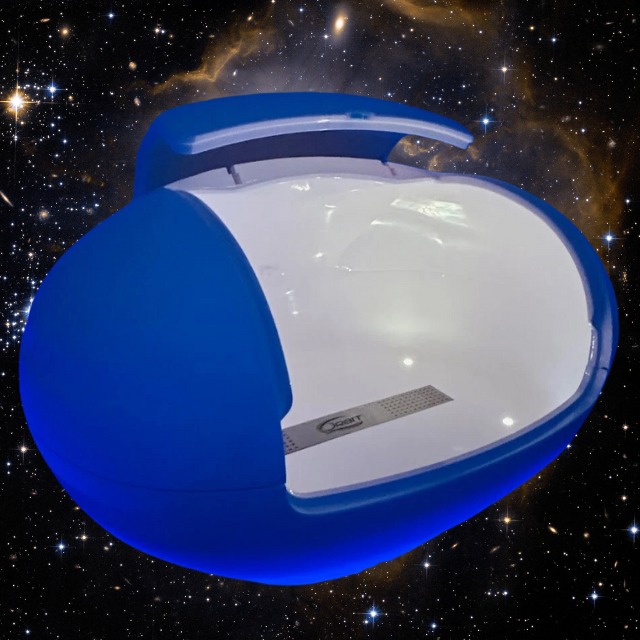
Interior of an Orbit/Exo float pod glowing softly — a calm, spacious sensory-reduction environment

How it works

Six things that happen to an anxious nervous system inside a float tank.

Cortisol drops, measurably

Cortisol is the primary stress hormone. Peer-reviewed studies show a single 60-minute float reduces salivary cortisol and blood pressure within the session — and the effect compounds with regular use. Fewer physiological alarm signals means the brain has less reason to stay on high alert.

Theta brainwaves take over

As external input fades, the brain slips out of beta (task-focused, anxious) and into slow alpha then theta rhythms — the same states experienced meditators reach after years of practice. Theta is where creative insight, memory consolidation and genuine calm live.

The nervous system switches lanes

Anxiety keeps the sympathetic nervous system idling in fight-or-flight. Floating triggers a strong parasympathetic response — heart rate slows, digestion resumes, muscles fully unclench. For many people it's the first time in months their nervous system has been all the way off.

Magnesium supports the calm

The tank holds over 500kg of Epsom salt — magnesium sulphate. Magnesium is a well-documented cofactor in nervous-system regulation and sleep quality, and transdermal absorption during a float tops up what stress quietly depletes.

The default-mode network quiets

The DMN is the brain network responsible for rumination — the loop of worrying thoughts anxious minds know too well. Sensory reduction dampens DMN activity, which is why an hour in the tank often feels like the mental noise has genuinely stopped.

Sleep improves for days

Regular floaters routinely report deeper, longer sleep for several nights after a session. Better sleep lowers baseline anxiety, which makes the next float even more effective — a rare positive feedback loop.

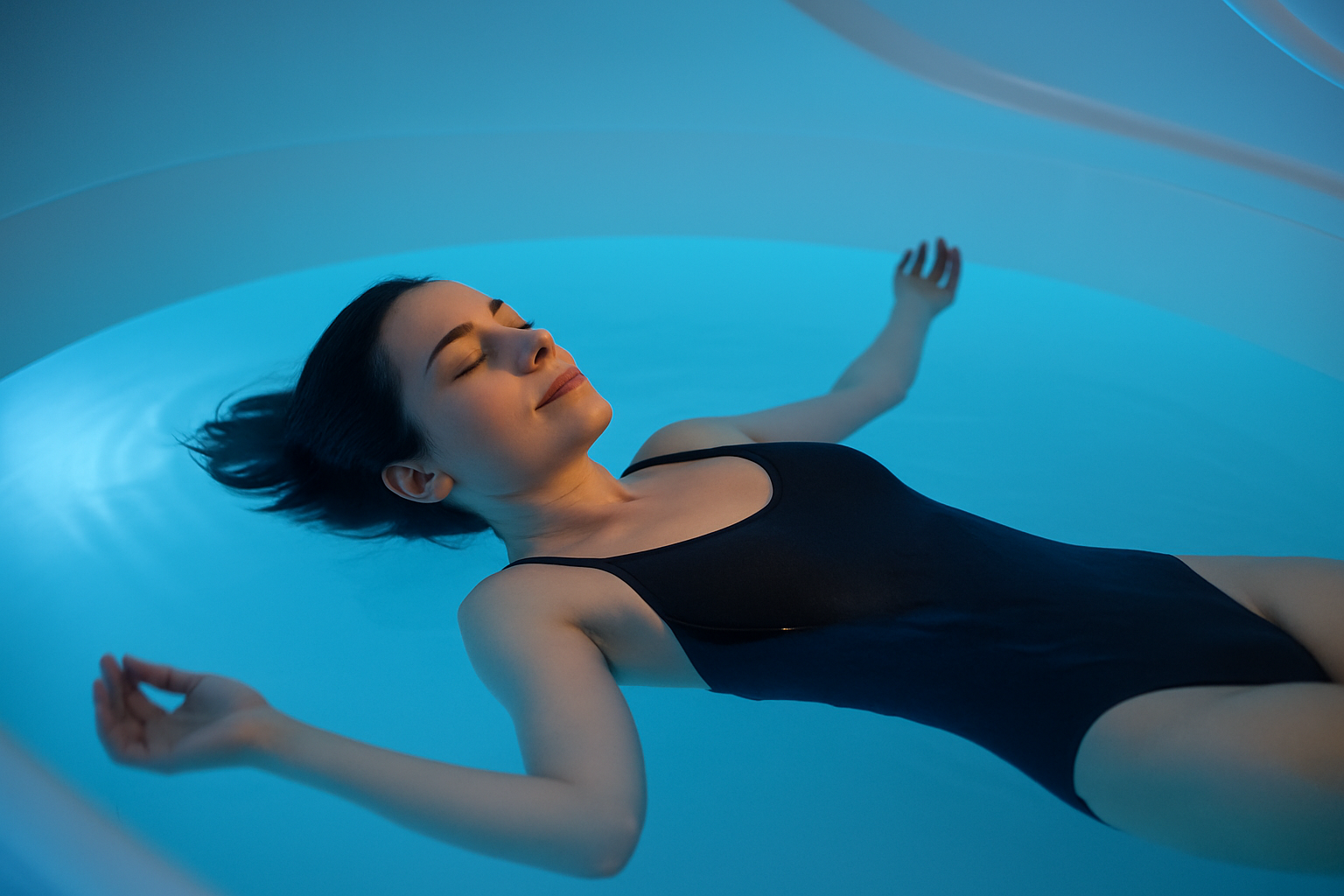
Guest floating peacefully in warm Epsom-salt water — a moment of full parasympathetic calm

Made for anxious first-timers

You're in control the entire session.

The Orbit/Exo pod is a spacious, full-height cabin — nothing coffin-like about it. The lid stays under your control, the interior light can stay on, and the door is never locked. Most first-timers keep the lid partly open for the first few minutes and forget about it soon after. If you've hesitated because sensory deprivation sounds intense, this is the gentlest possible version of it.

FAQ

Common questions about floating for anxiety.

Can floating actually help with anxiety?

Clinical studies at the Laureate Institute for Brain Research have shown a single float session significantly reduces state anxiety and stress in people with generalised anxiety disorder, PTSD and depression. The effect is driven by measurable drops in cortisol and blood pressure alongside a shift into parasympathetic (rest-and-digest) dominance.

I'm claustrophobic — is a float tank safe for me?

The Orbit/Exo pod is a full-height cabin, not a coffin. The lid stays under your control the entire session and you can leave it fully open, partly open or closed. Interior lighting is also on your terms. Most anxious first-timers keep the lid ajar for their first float and close it naturally later.

How quickly do the effects kick in?

Cortisol begins dropping within the first 20 minutes. The deepest calm — the theta-wave, near-meditative state — arrives around the 40-minute mark, which is why our standard session is 60 minutes and our deep float 90.

How often should I float for anxiety?

Benefits are cumulative. Weekly floats for the first month, then fortnightly maintenance, gives the strongest effect on baseline anxiety and sleep. Our 5-session package is designed exactly for this.

Is this a replacement for therapy or medication?

No. Floatation is a complementary tool for nervous-system regulation, not a substitute for professional mental-health care. If you're on medication or in treatment, keep your clinician in the loop and use floating alongside — not instead of — what's already working.
A note on wellbeing: If anxiety, panic or low mood are affecting your daily life, please speak to your GP or a qualified mental-health professional. Floatation works best alongside proper care — not instead of it.